
Research, field experience and practical resources for law enforcement professionals who want to strengthen investigative interviews.
Investigative Interviewing Practices
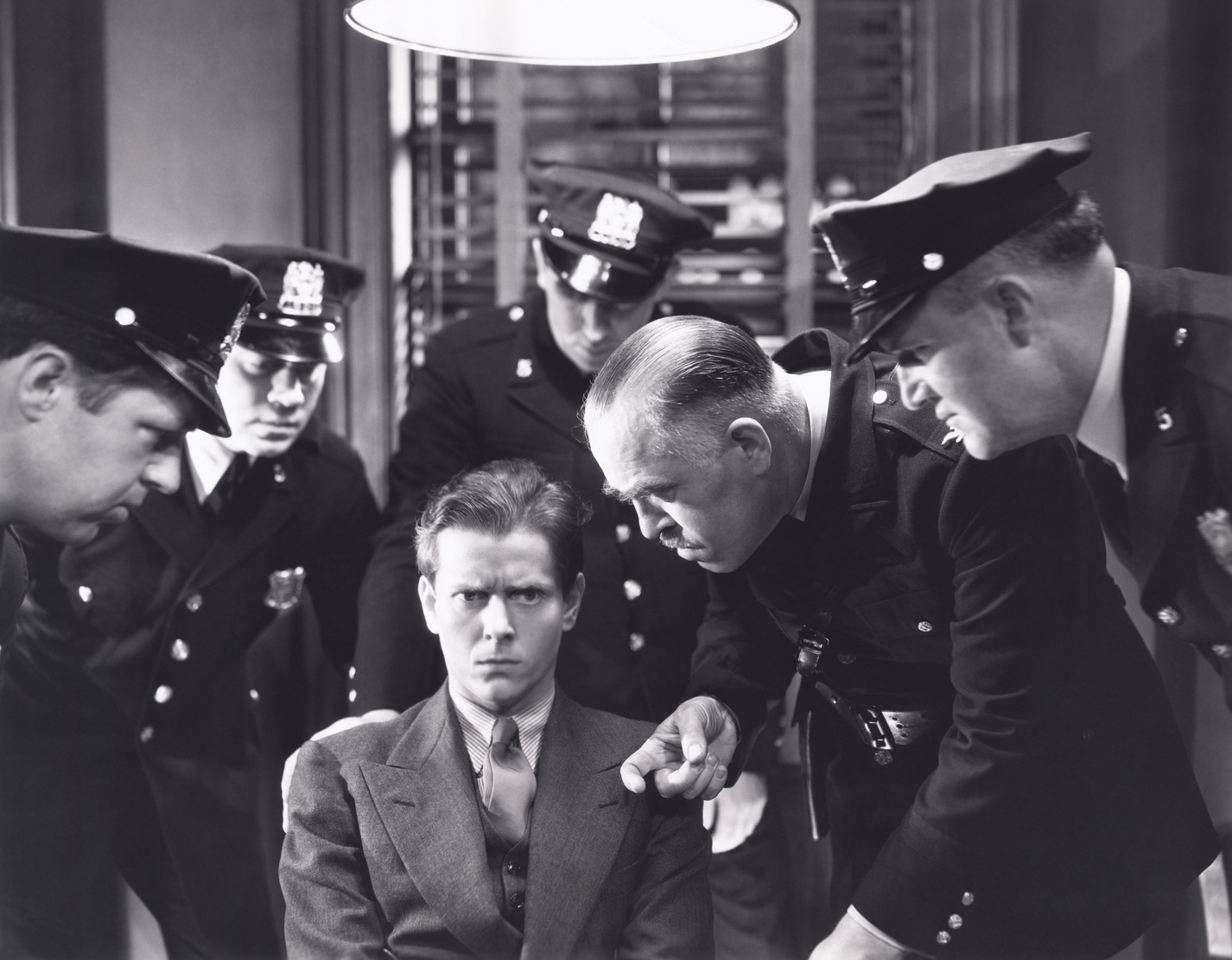
Investigative interviewing continues to evolve as researchers, courts and practitioners learn more about memory, communication and reliable information gathering.
Many effective practices remain familiar, while current research and legal developments provide additional guidance for today’s investigators.
Important topics in investigative interviewing:

Behavioral Cues
Understanding the limits of behavior based credibility judgments
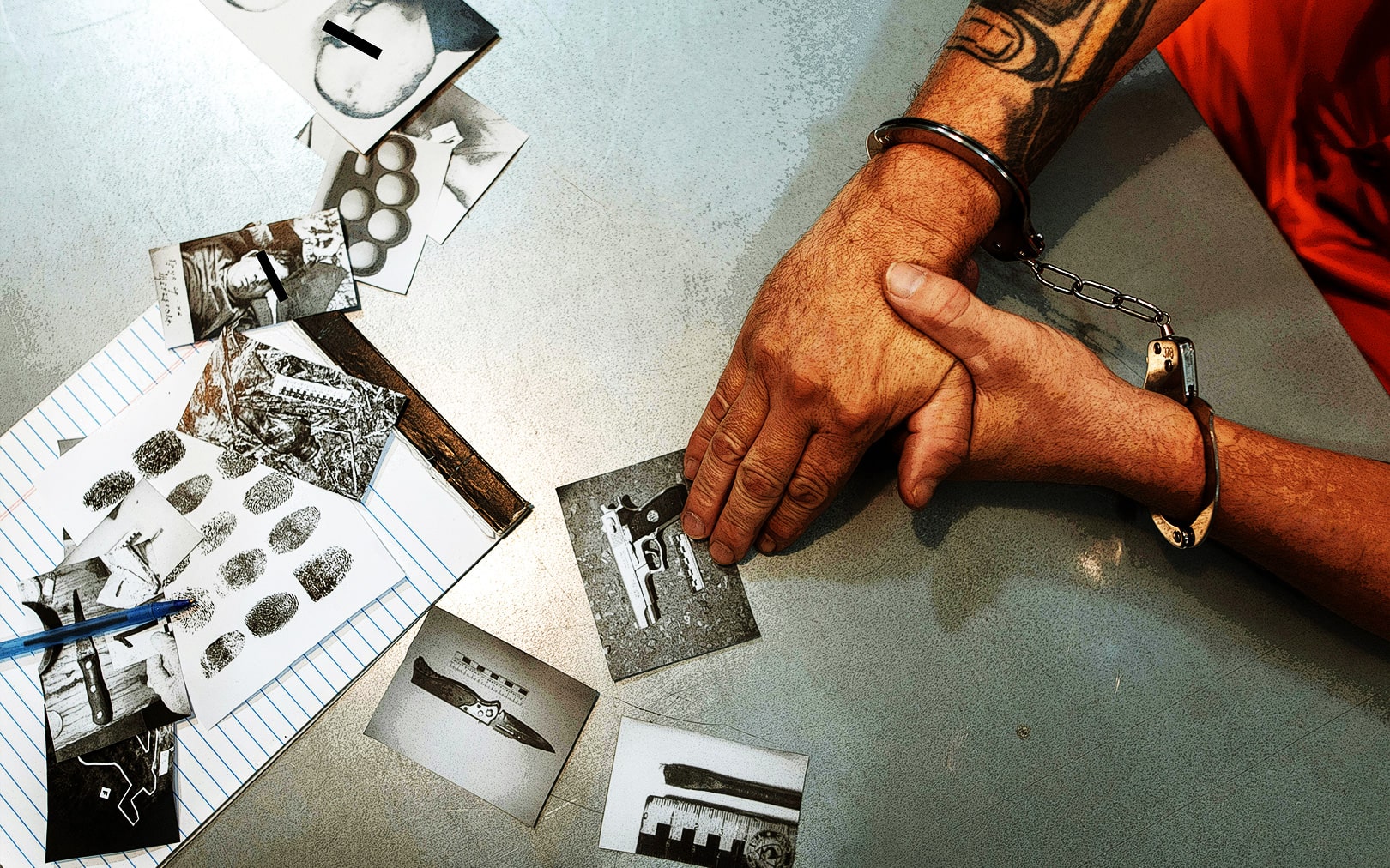
Evidence Disclosure
Considering when and how evidence should be introduced
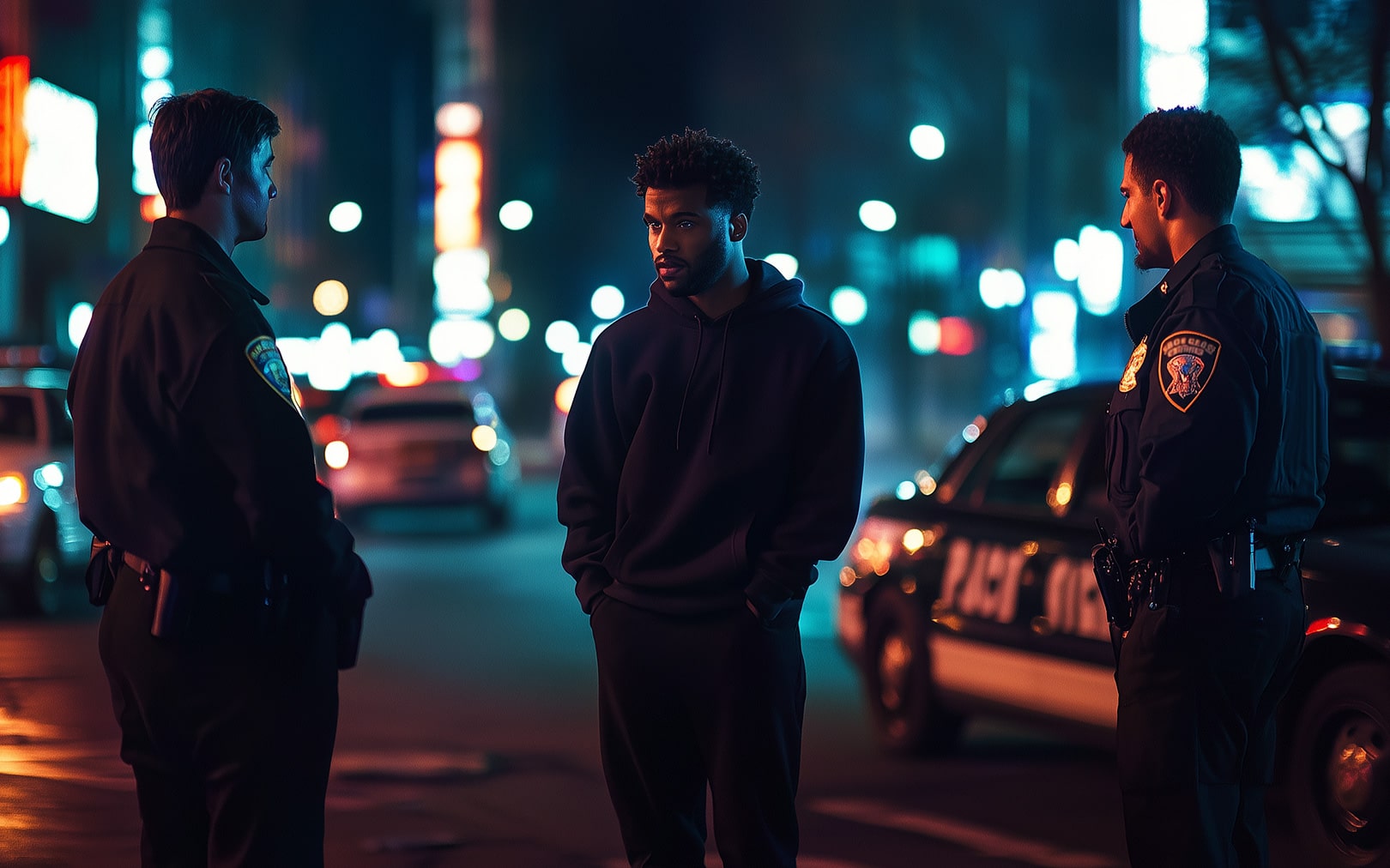
Explanations and Admissions
Encouraging complete accounts without coercive tactics
Why This Matters
Interviewers must balance information gathering goals with memory, communication, legal and ethical considerations. Understanding the research can help investigators make better informed decisions.
Why This Matters
Interviewers must balance information gathering goals with memory, communication, legal and ethical considerations. Understanding the research can help investigators make better informed decisions.
What does the research say?

Behavioral Cues
What behavior can and cannot tell an interviewer
Credibility Assessment
Research examining behavior and judgments about truthfulness
Interviewing Practices
How research can help refine established techniques
Perspectives on Investigative Interviewing
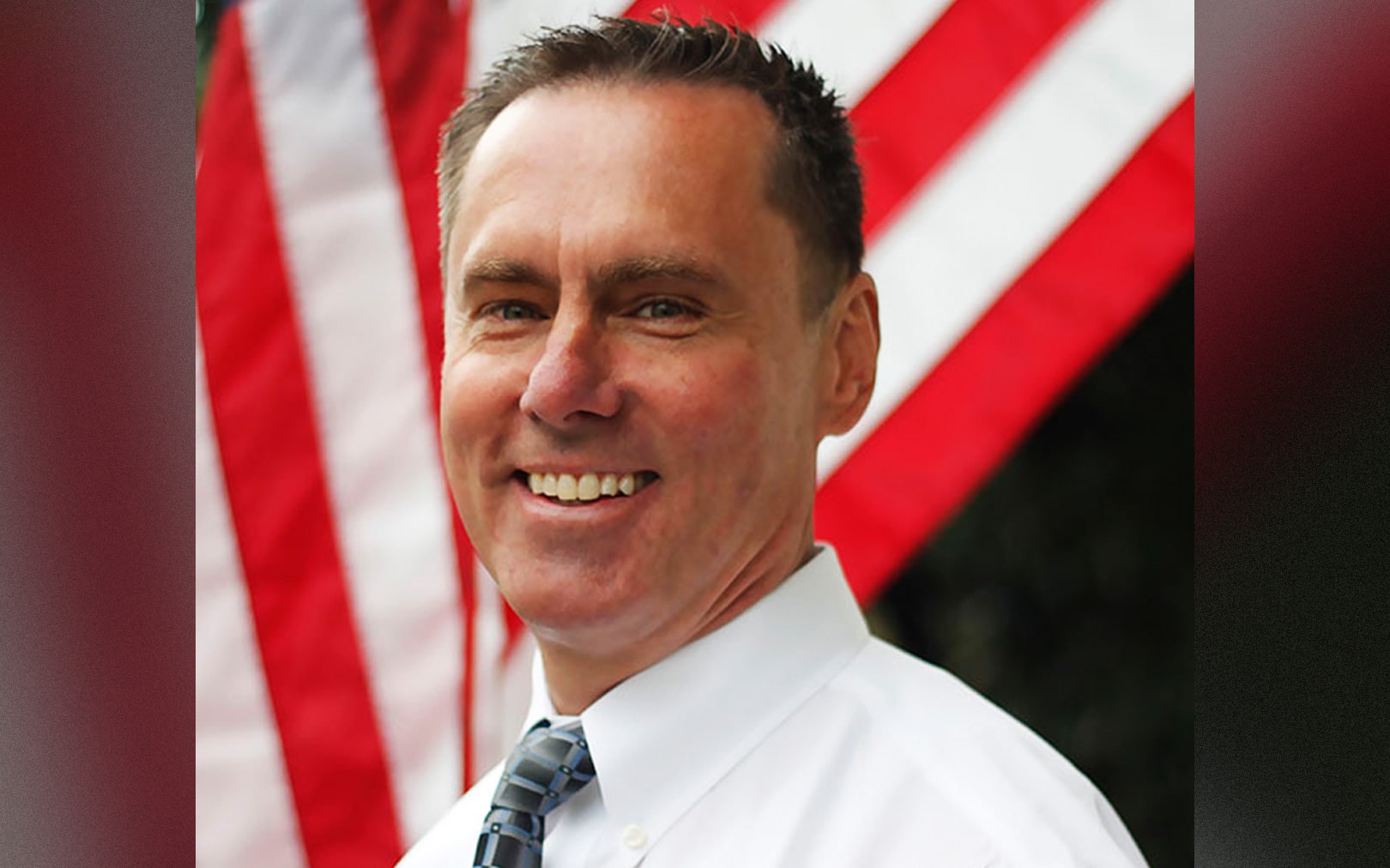
Vern Pierson
A prosecutor’s perspective

Mark Fallon
An investigator and trainer’s perspective
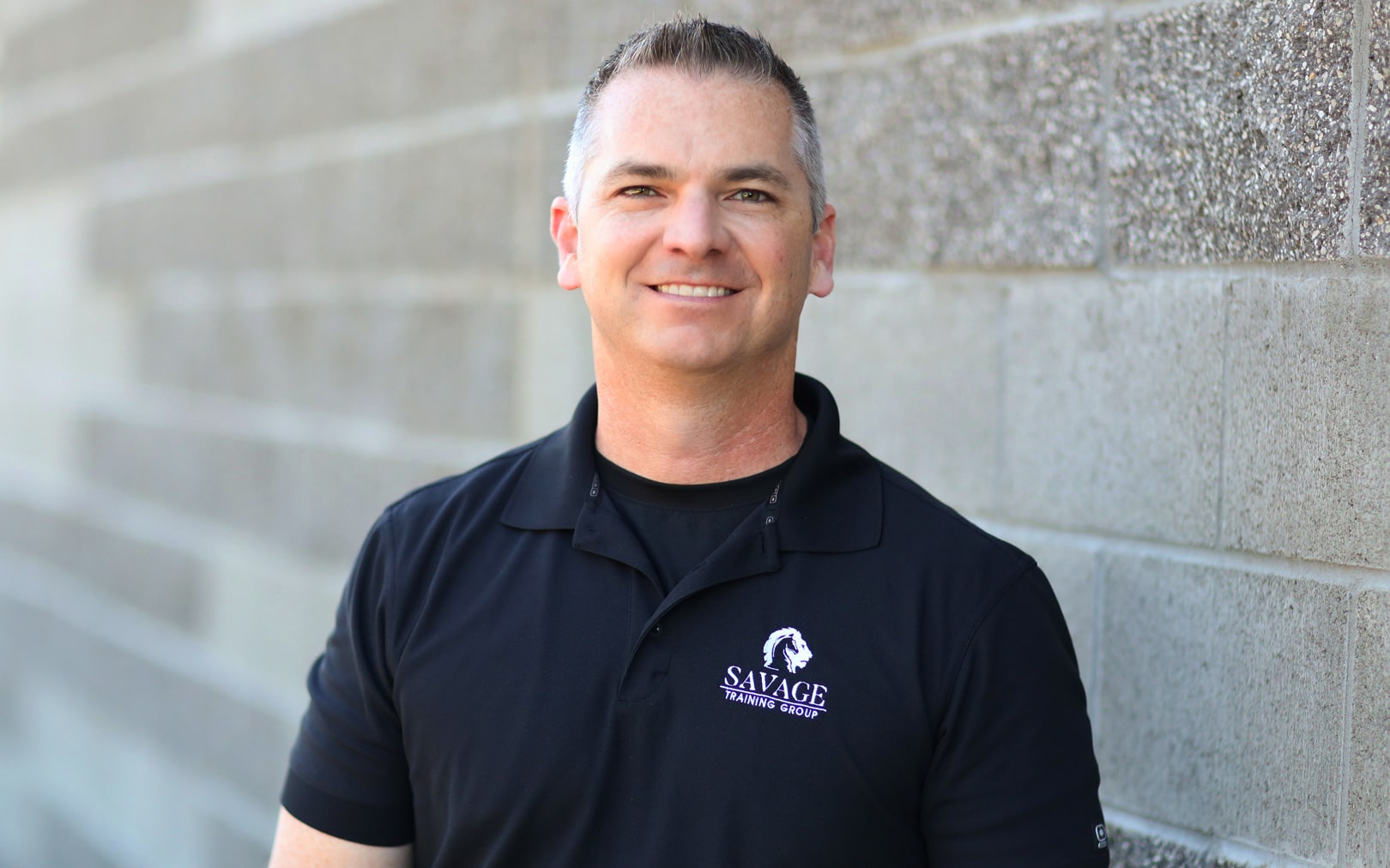
Scott Savage
A police trainer’s perspective
Understanding False Confessions
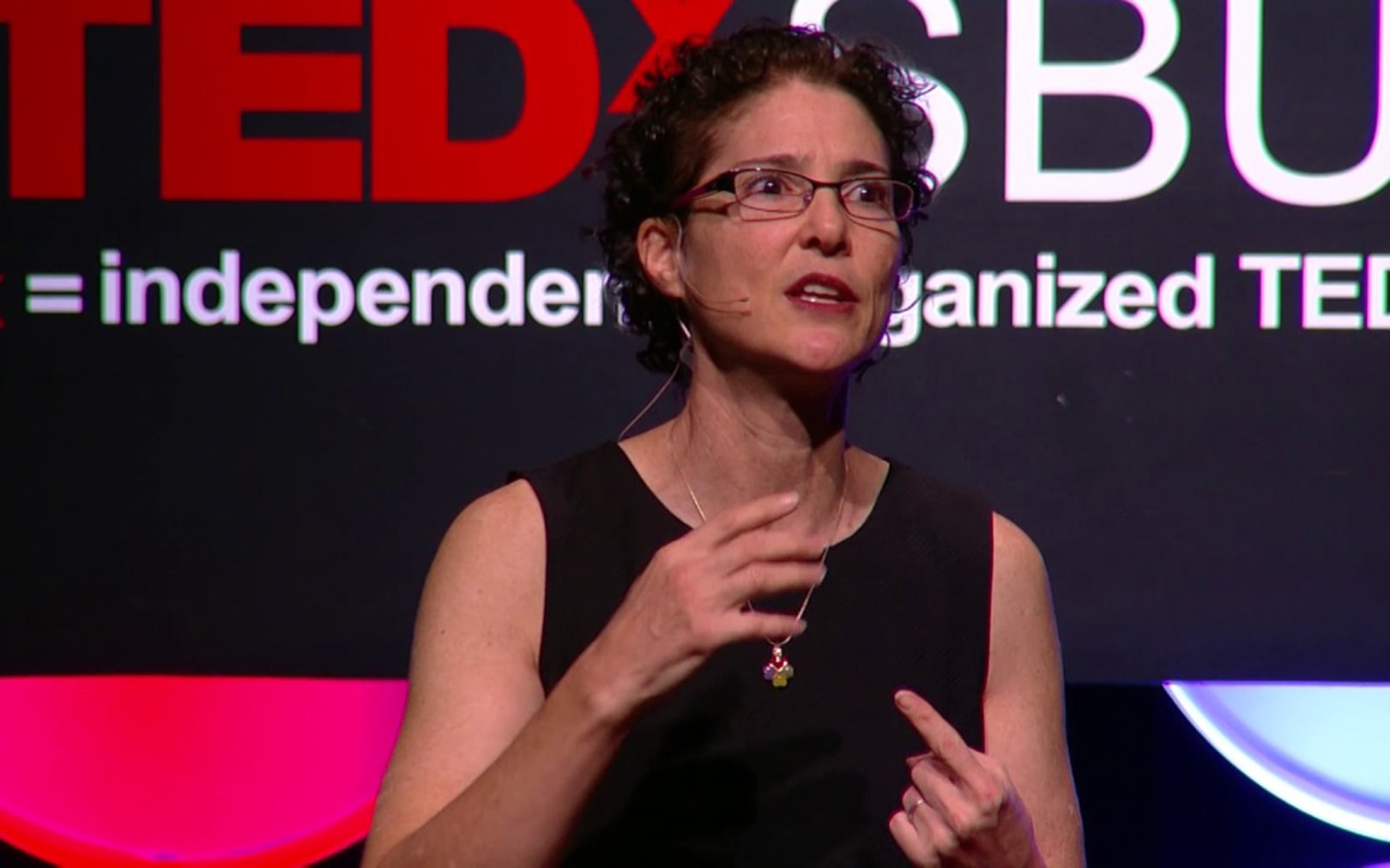
Nancy Franklin
A documented false confession case
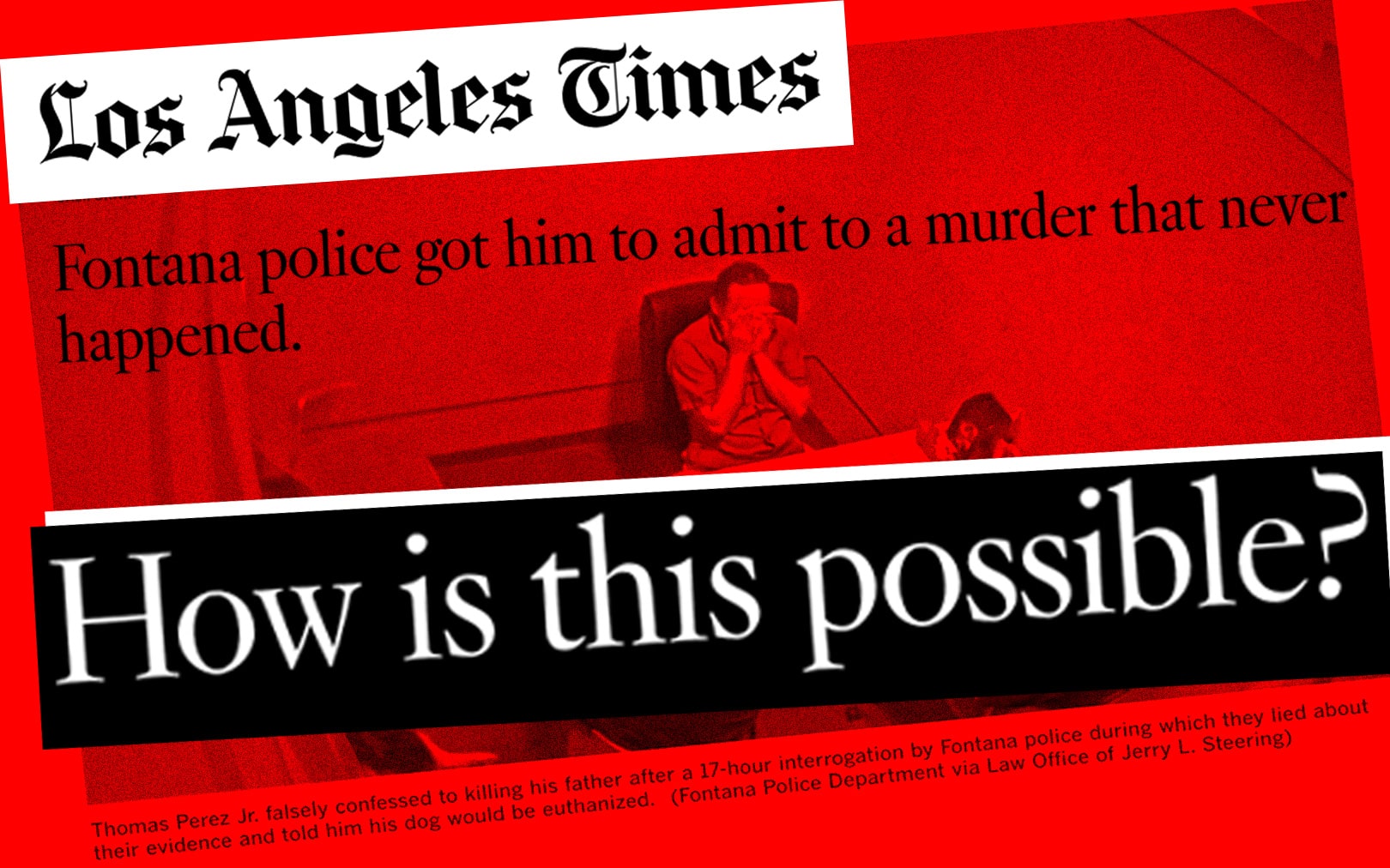
LA Times
A confession to a murder that never occurred
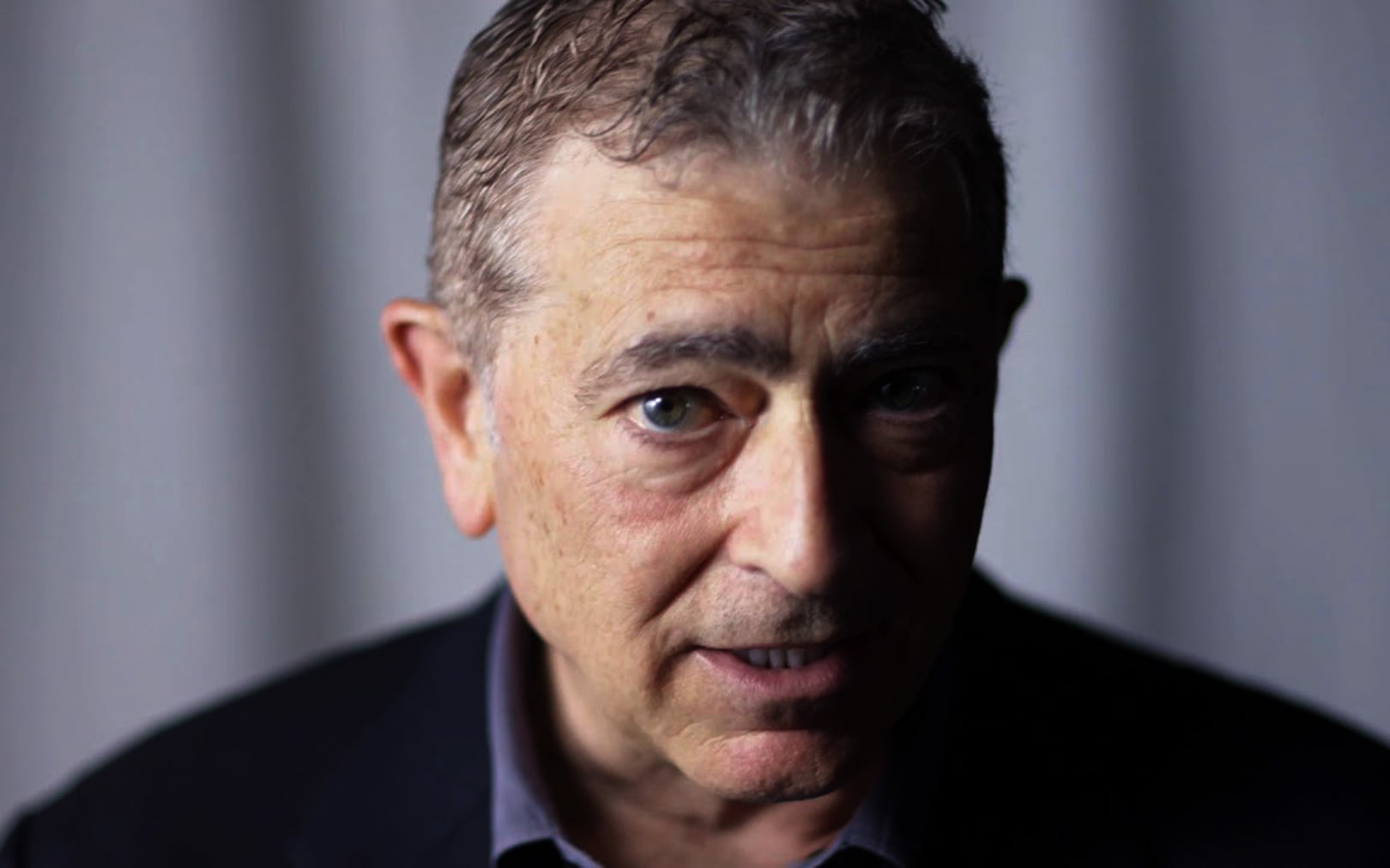
Dr. Saul Kassin
Research concerning false confessions
Science-Based Interviewing
A practical interviewing framework informed by research, established practices and the needs of working investigators
Science-Based Interviewing

The Basics
What is Science-Based Interviewing?
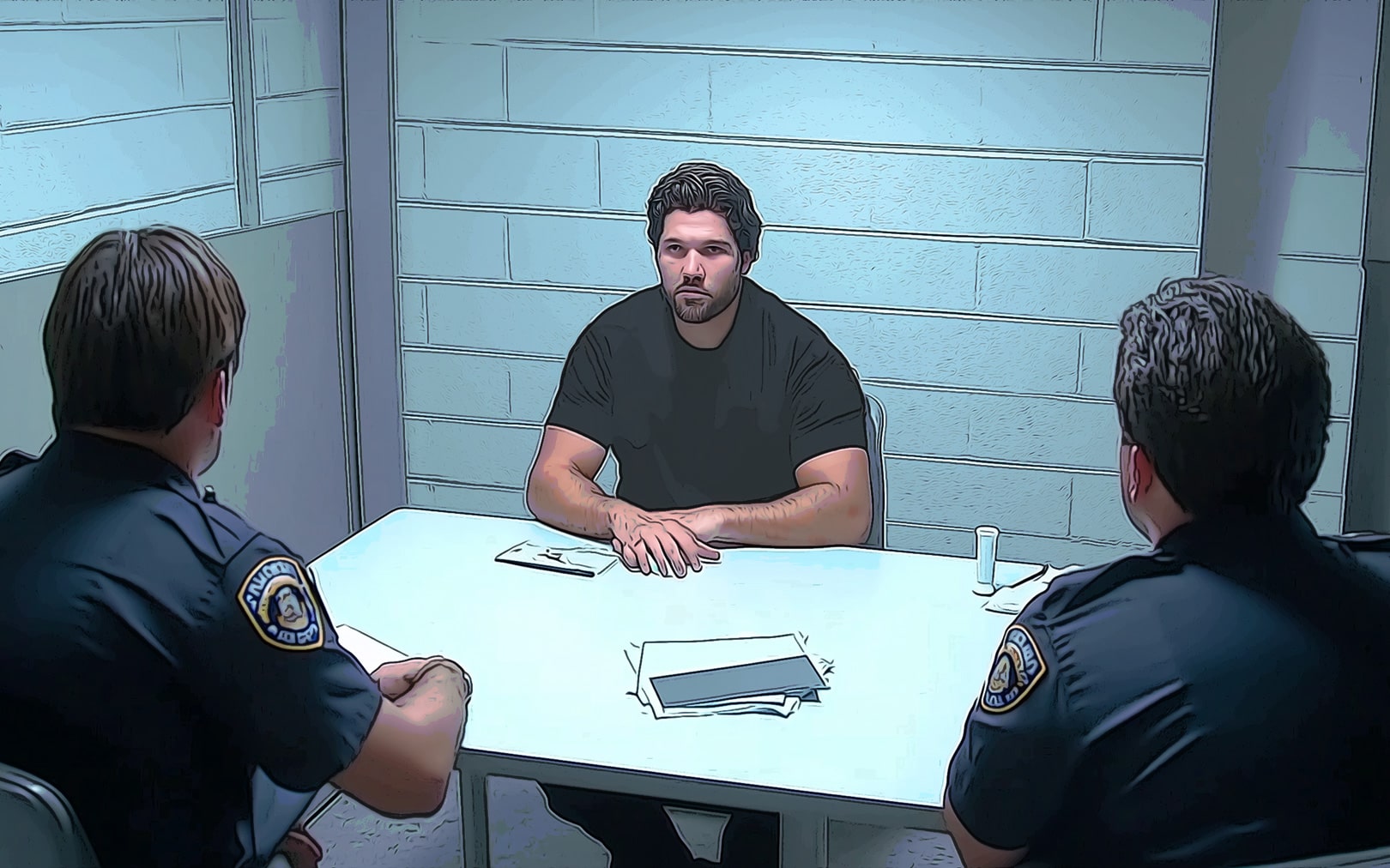
Reliable Information
Developing accurate, complete and verifiable information
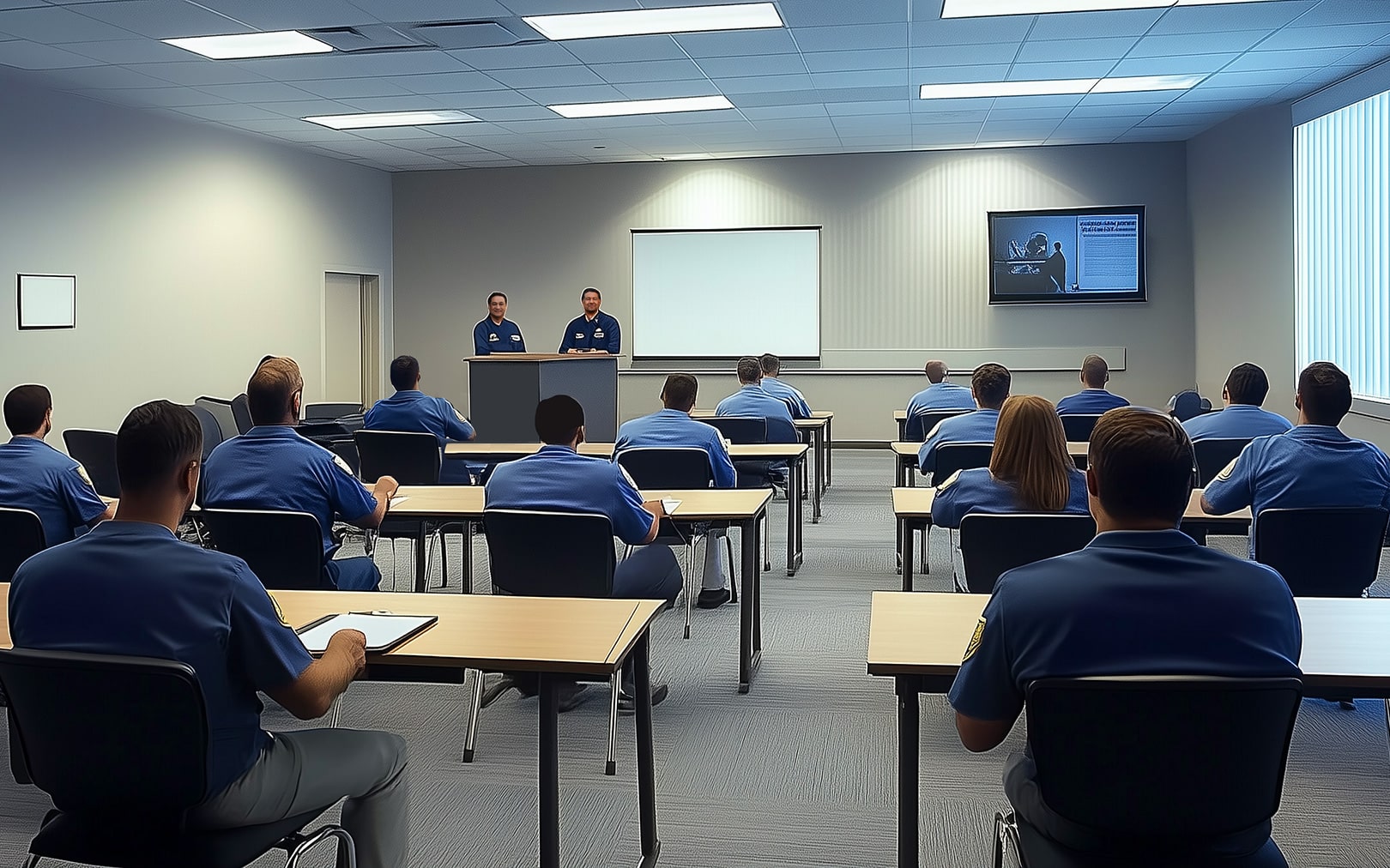
The Training
Practical instruction for patrol officers, investigators and other professionals